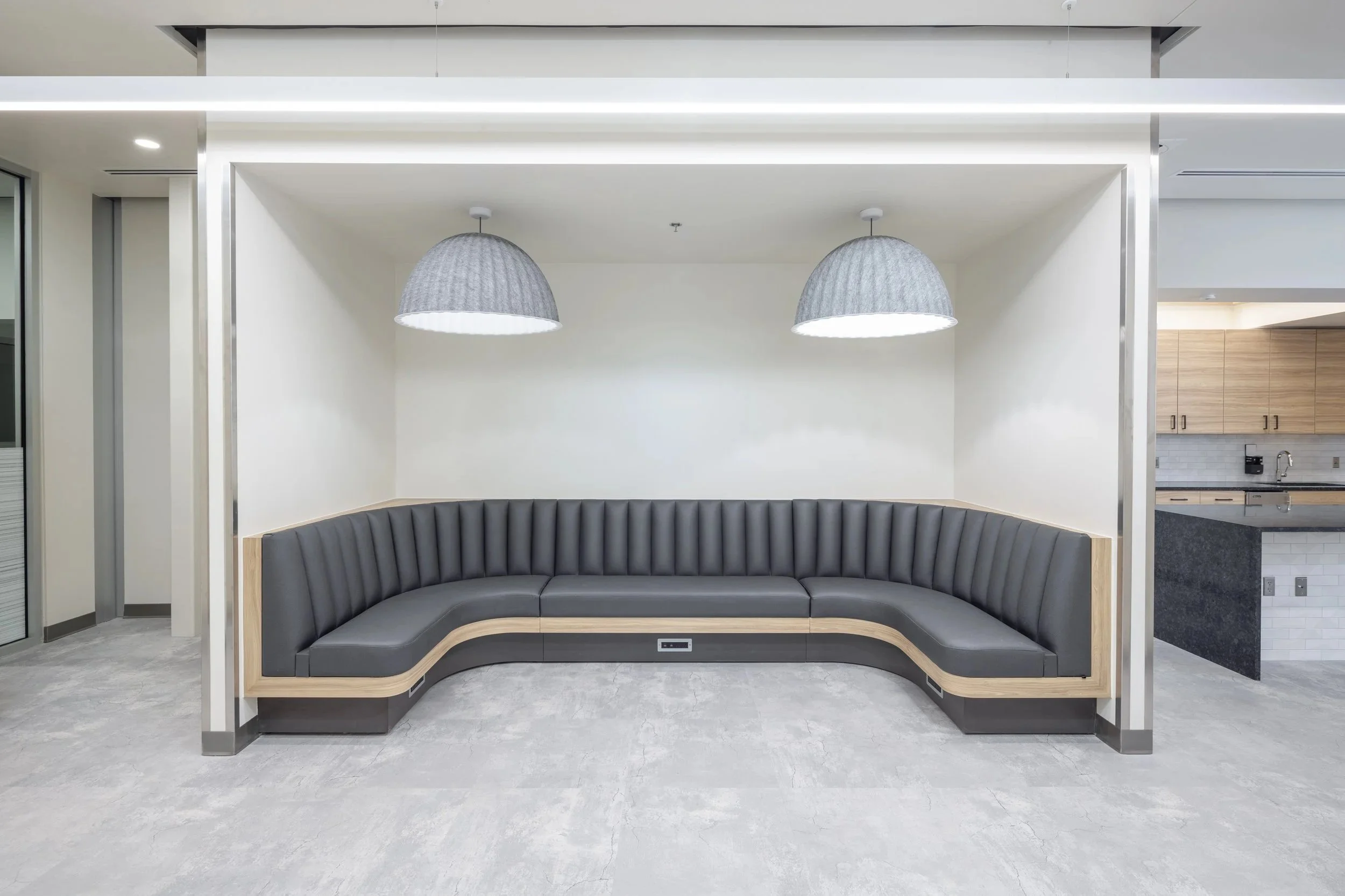
OEC Office Building
Norman, Oklahoma
Guernsey
We were approached to do a facility planning study for their existing headquarters, partnering with Geddes Armstrong Construction for the study. Due to their expansive growth, they were running out of room for their employees and equipment. During the study, we developed several combinations of renovations and additions. Basic description of their site:
Building 1 is the original main building. It faces a main street and has a public presence. Currently, it houses a few staff with a member focus.
Building 2 is the original warehouse, in the middle of the site. This building was determined to be no longer structurally sound, with the bottom missing on several columns.
Building 3 is the newest office building on the site. The office spaces were oversized and would be a good candidate for a remodel to increase office capacity.
Building 4 is the newest warehouse. There is plenty of room on one end for expansion, and adding a fire suppression system will be required with this addition.
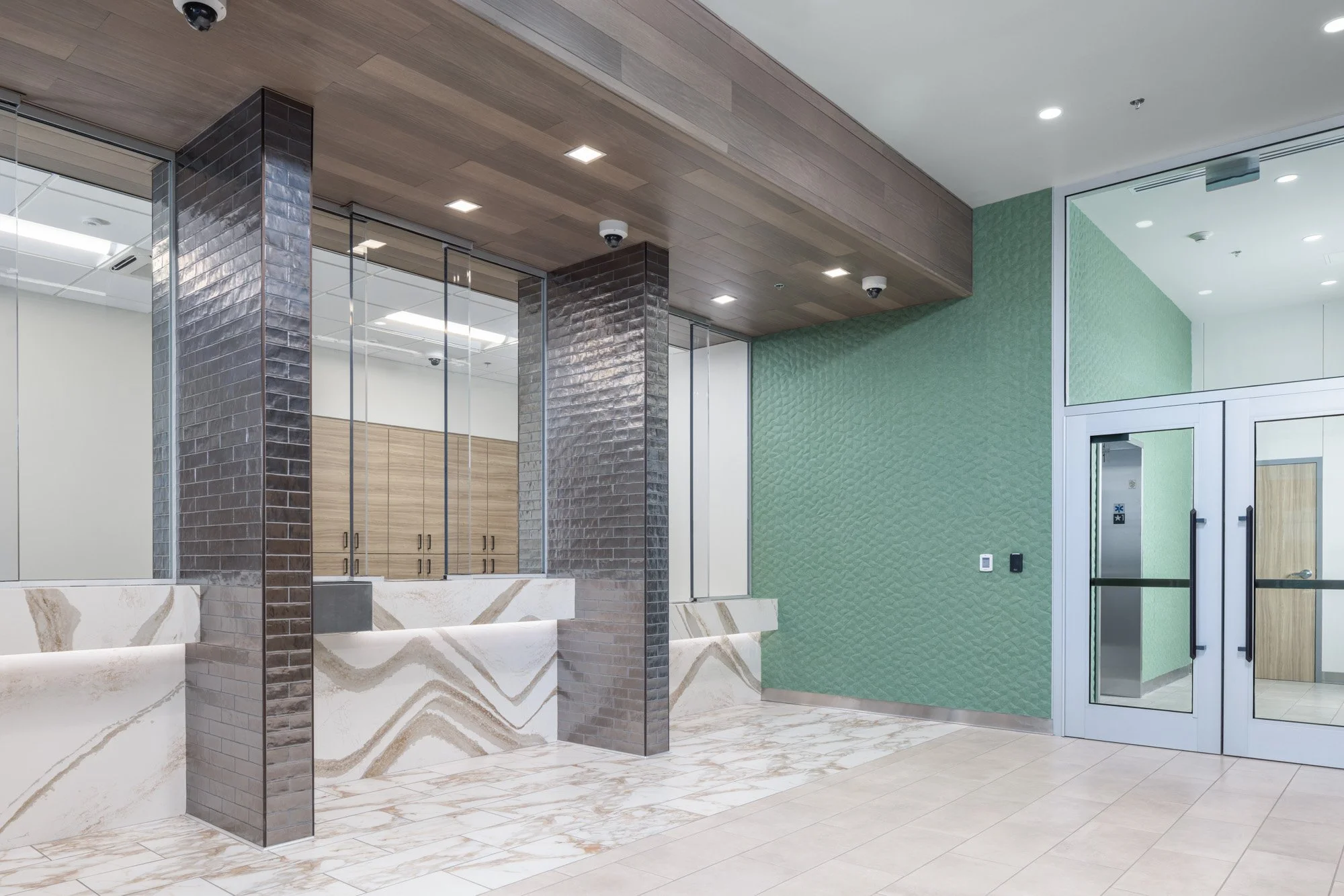
Working on a complex campus with functions that could not cease operations required us to work with the construction manager and the owner to develop a plan of action. We renovated the lobby and one department in building 3 to function as a temporary member services and an executive suite. Once this was done, it allowed for the functions to move from building 1 to building 3. This also allowed for the executive suite in building 3 to move out of their suite to allow for it be further renovated. During this same time, the addition for building 4 began, and once that was completed, building 2 was demolished and converted into yard space that was needed. Building 3 renovation of the executive suite made it possible to double the boardroom and the training room.
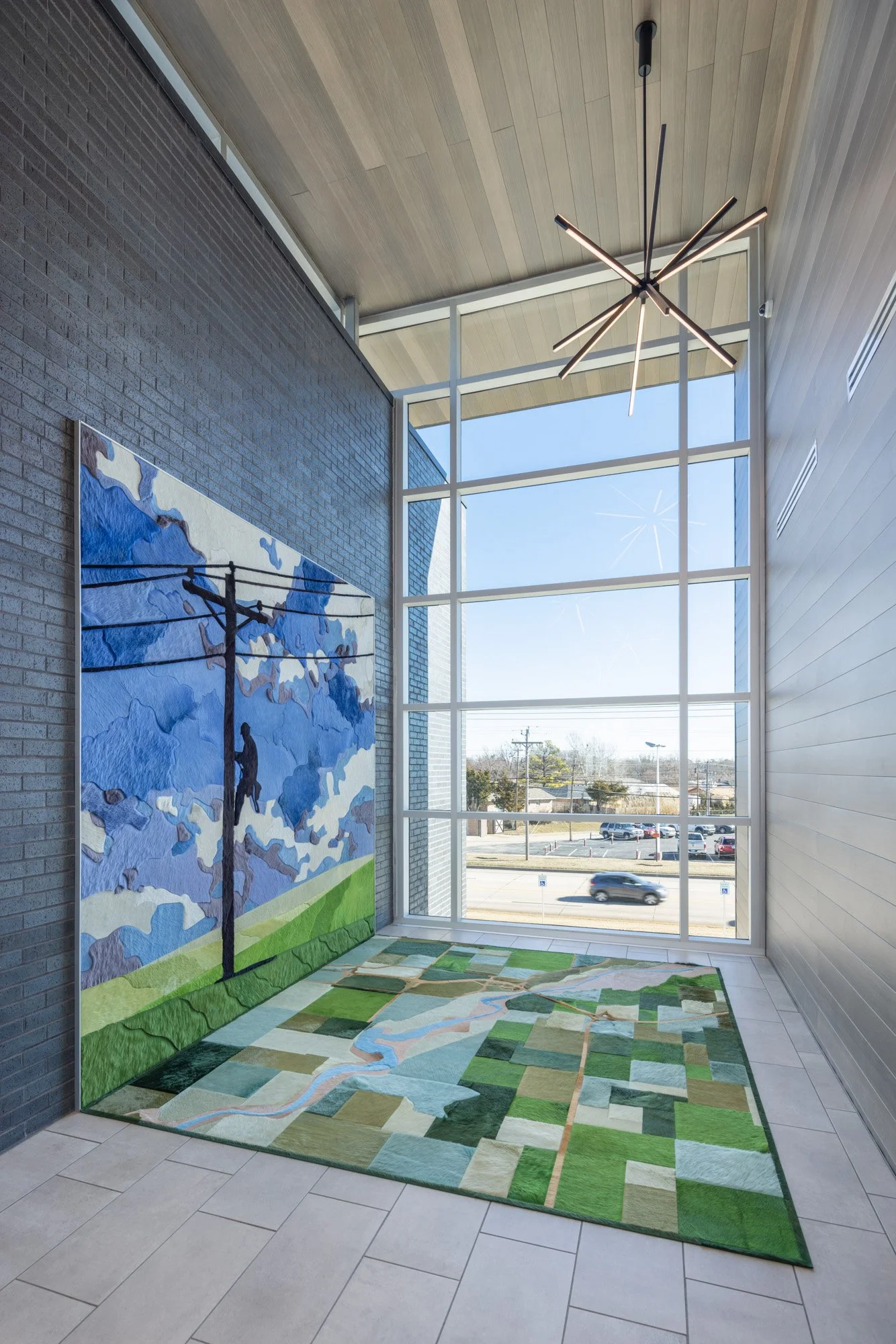
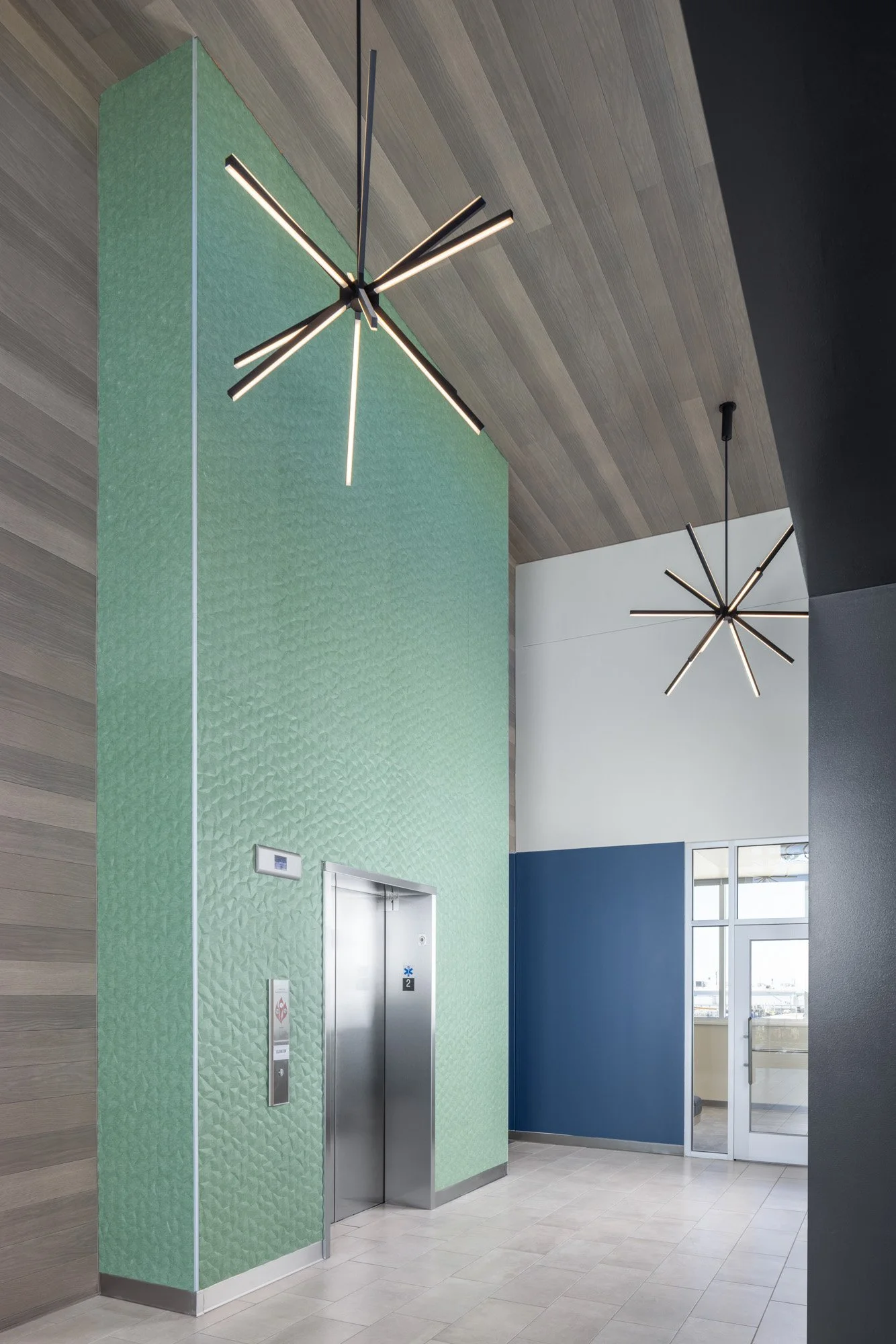
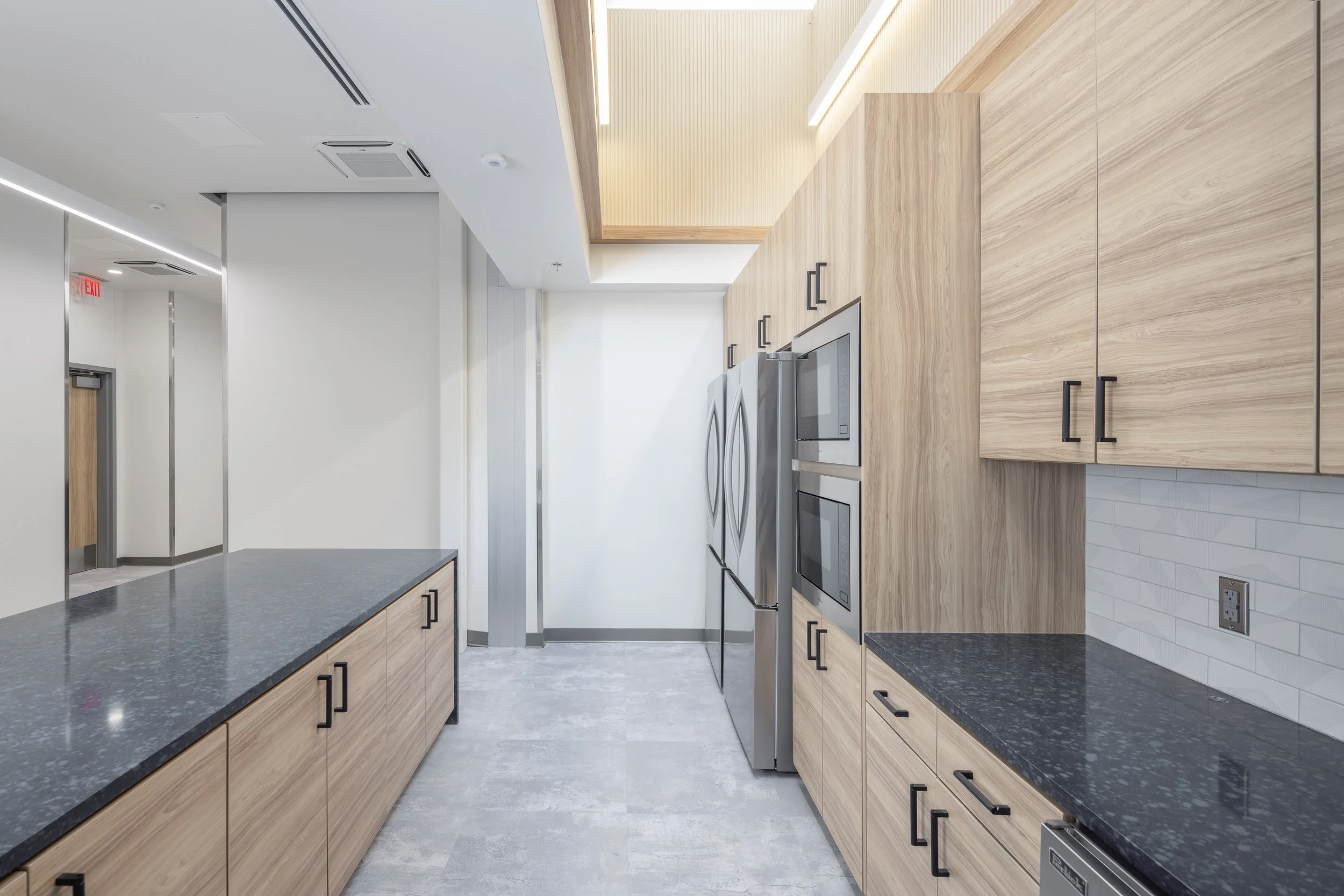
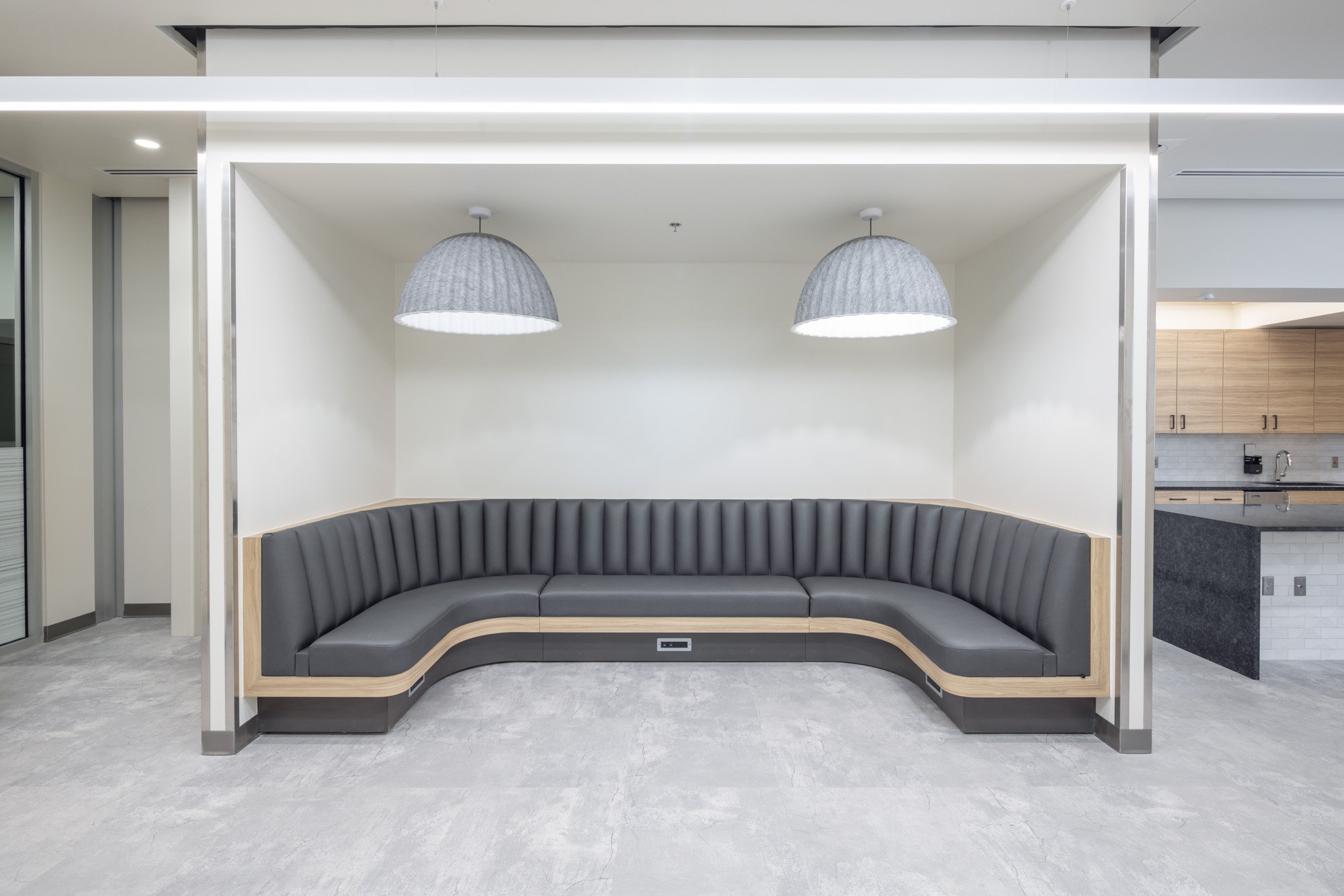
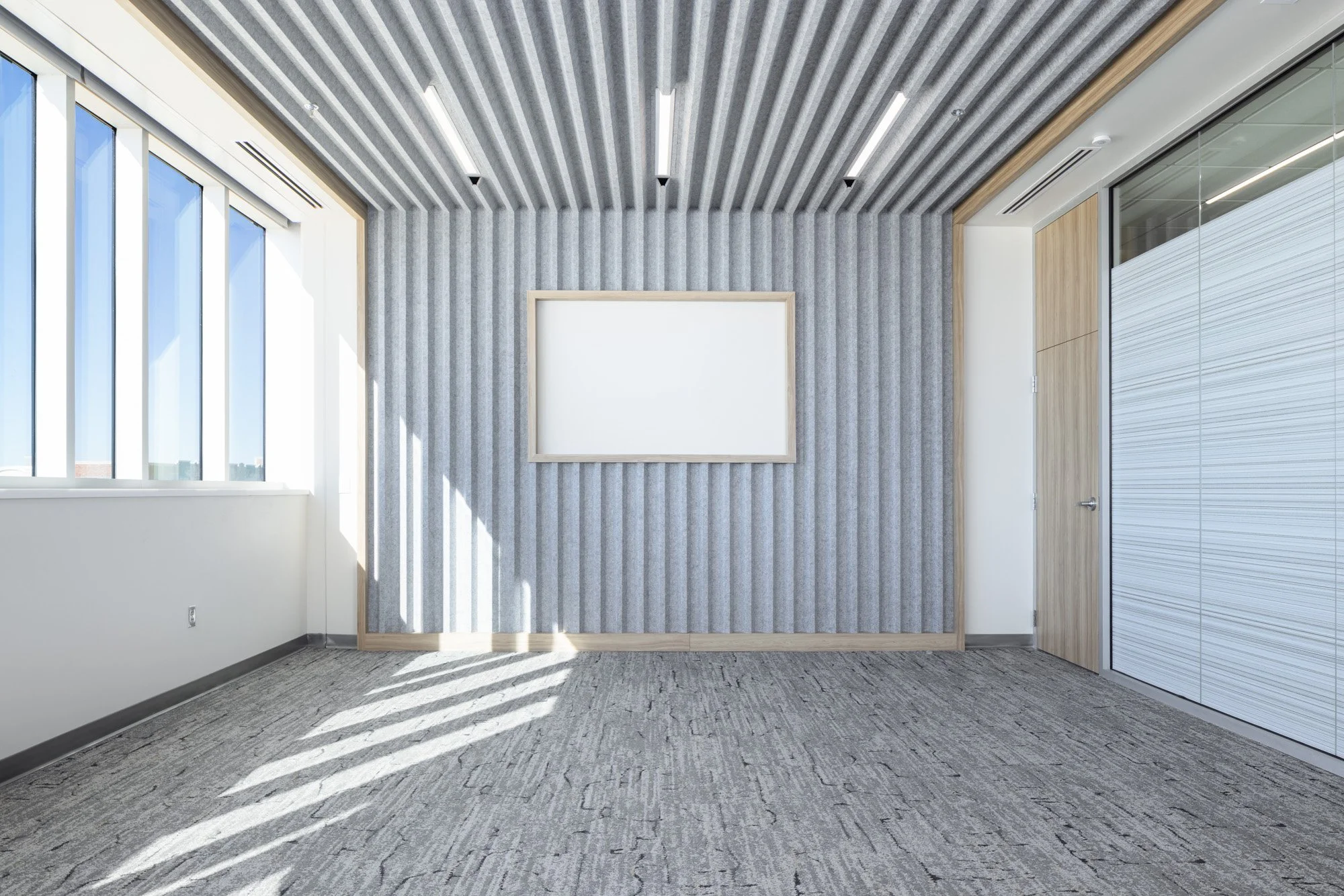
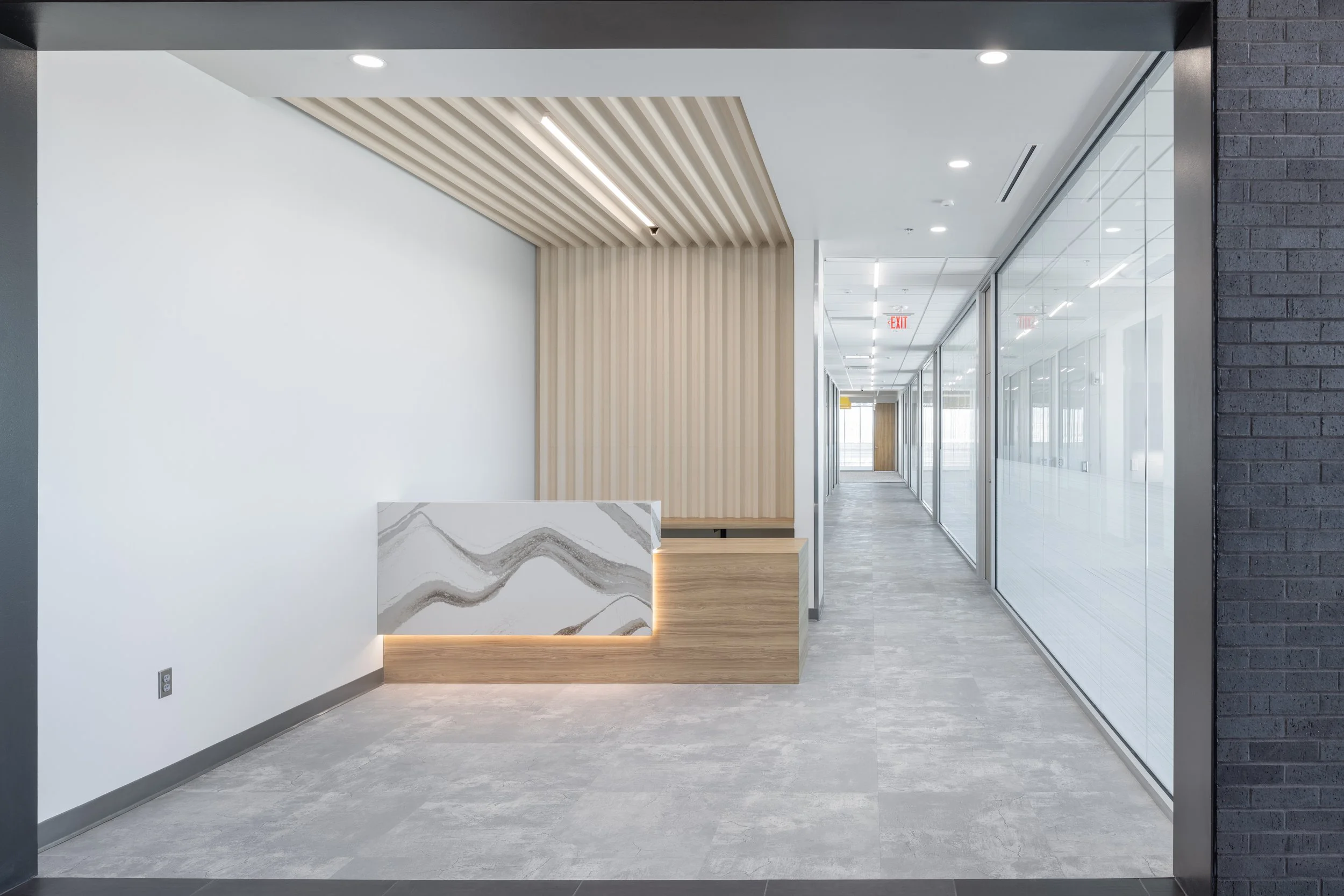
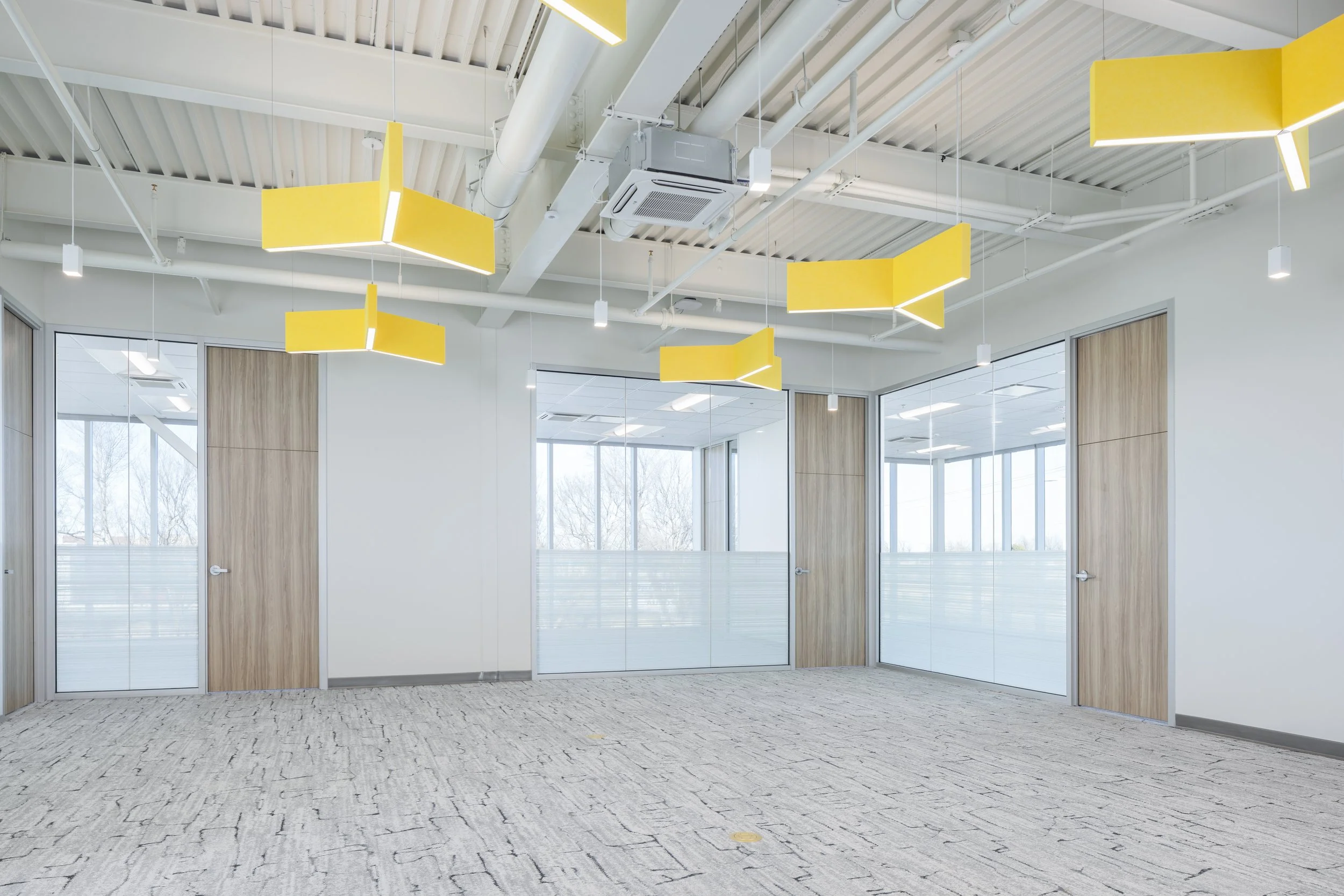
Building 1 was where the bulk of the improvements were focused. The addition was used to give OEC a presence on a major road. The first floor design utilized materials and scale that match building 3 to create a more cohesive campus. On the second floor, the owner wanted as much glass as possible. We designed the overall width of the building with a focus on daylighting. The interior corridors are floor-to-ceiling glass. The center aisle offices utilized a clerestory as a center wall to increase the daylight. Forms on the outside of the building translate into the interior of the space with the same materials and design approach. This renovation and addition involved some very high-performing technologies. After more than doubling the space of the building, we were able to still reduce the overall building’s energy consumption while providing better comfort for all the users.
-
![An image of OEC Office Building]()
01
-
![An image of OEC Office Building]()
02
-
![An image of OEC Office Building]()
03
-
![An image of OEC Office Building]()
04
-
![An image of OEC Office Building]()
05
-
![An image of OEC Office Building]()
06
-
![An image of OEC Office Building]()
07
-
![An image of OEC Office Building]()
08